A cleaning machine may look durable, yet its service life is shaped by everyday conditions. A floor scrubber running across gritty concrete faces different wear from one used on smooth tile. Water quality, cleaning chemicals, operator habits, and daily workload all leave their mark. Even small routines matter. A clogged filter or neglected squeegee can force other parts to work harder.
So, what affects the lifespan of cleaning machines? This guide examines ten practical factors, from maintenance and operator training to storage, parts quality, and operating conditions. These points apply broadly, but no single checklist fits every machine. A compact vacuum and an industrial sweeper have different demands. Manufacturer instructions and service records provide the best starting point for decisions.
Look for specific clues. A battery that loses runtime, a brush that wears unevenly, or a machine that leaves streaks may signal a problem worth checking. Addressing issues early can help prevent avoidable strain and costly downtime. Still, maintenance cannot reverse every kind of wear. Some equipment simply works harder than expected. The sections ahead explain what owners and facility teams can inspect, what habits can extend useful service, and where realistic expectations matter. The goal is not to promise a fixed lifespan, but to help you make informed choices and get dependable performance for longer.
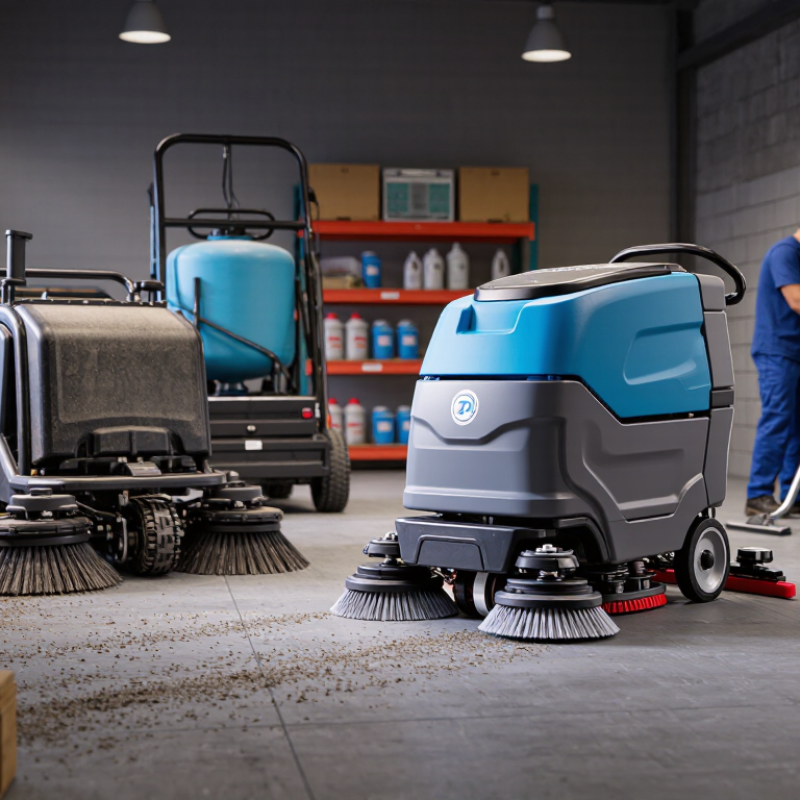
A cleaning machine’s service life often begins with its frame, joints, and seals. Thin sheet metal can flex under repeated vibration, loosening fasteners over time. In wet environments, poorly protected steel may corrode around welds and drain openings. Small details matter: rounded, well-finished edges are easier to clean and less likely to trap moisture. A 2016 NACE IMPACT study estimated global corrosion costs at US$2.5 trillion annually, or 3.4% of global GDP. That figure covers many industries, not cleaning machines alone, but it shows why corrosion resistance deserves attention.
Material choice should match the work. Stainless steel can resist many cleaning chemicals, yet its grade, surface finish, and weld quality affect performance. Plastic tanks reduce weight, but heat, impact, and chemical exposure can cause cracking or distortion. Check the machine’s stated chemical compatibility rather than assuming one material suits every detergent. Look closely at hose connections and seals; these often face more stress than broad panels.
Build quality is also about access and repair. Motors, pumps, and filters should be reachable without dismantling half the housing. That is practical, not glamorous. A rigid frame helps limit vibration, while replaceable wear parts can keep minor failures from sidelining the whole machine. There is no single reliable lifespan figure for all cleaning machines: duty cycle, maintenance, and operating conditions vary too widely. I would treat claims about “years of service” cautiously unless the test conditions are clear.
Operating frequency, workload, and duty cycle often decide how long a cleaning machine remains dependable. A machine used for two short shifts behaves differently from one running continuously. The U.S. Department of Energy reports that motor-driven systems consume more than 70% of industrial electricity. That figure highlights the strain placed on motors, pumps, belts, and batteries during repeated operation.
A practical example is a scrubber covering a busy warehouse every morning and evening. Dust, detergent residue, and uneven floors increase resistance. Heavy loads also raise motor temperature. Short pauses matter. They allow heat to escape and give batteries time to recover. Maintenance teams should record operating hours, floor area, load weight, and charging frequency. These details reveal whether the machine is working within its intended duty cycle.
A neat schedule is not always a smart one. The European Committee of Manufacturers of Electrical Machines and Power Electronics notes that temperature strongly affects motor insulation life in rotating equipment. In real facilities, neglected filters and overfilled recovery tanks can create additional heat. Operators sometimes blame poor equipment quality too quickly. The workload may simply be excessive. A machine designed for intermittent cleaning should not be treated like continuous-duty equipment. Service intervals should reflect actual use, not an ideal calendar. Small errors accumulate. That is where lifespan quietly disappears.
Water quality quietly determines how long a cleaning machine remains reliable. The U.S. Geological Survey classifies water above 180 mg/L as calcium carbonate as very hard. Such water can leave mineral scale inside pumps, heaters, spray nozzles, and valves.
Scale is costly. In practice, a white crust around a nozzle often signals deeper buildup. Test hardness and pH regularly, then select filtration or softening based on measured results, not assumptions.
Cleaning agents create another hidden risk. Excess detergent can foam, block sensors, and leave residue in tanks. Highly alkaline or acidic formulas may weaken seals, coatings, and metal surfaces when used incorrectly.
The International Organization for Standardization’s ISO 14001 guidance supports controlled chemical handling and documented procedures. Follow the machine maker’s material-compatibility requirements, even when a stronger chemical appears faster.
Stronger is not always better.
Operating conditions also shape service life. The U.S. Department of Energy’s Operations and Maintenance Best Practices Guide recommends inspection schedules, leak checks, and recorded maintenance decisions. Run equipment within its rated temperature, pressure, and duty cycle.
Rinse chemical lines after use. Keep air intakes clear of dust and lint. Small details matter.
Still, operators sometimes over-clean components and cause unnecessary wear. Review failures honestly: poor water quality may be only one part of the problem.
A cleaning machine’s service life often depends on small routines: clearing debris, checking wear, and storing it dry. After each shift, empty tanks and wipe away detergent residue before it dries around seals or fittings. Inspect brushes, hoses, filters, wheels, and power cords for cracks or unusual wear. Catching a loose fitting early is cheaper than finding a puddle beneath the machine mid-job. Small checks matter.
The U.S. Department of Energy’s Operations & Maintenance Best Practices Guide estimates predictive maintenance can cost 8–12% less than preventive maintenance and 30–40% less than reactive maintenance. Those figures describe maintenance costs, not a guaranteed increase in machine lifespan, but they support acting before a breakdown. Keep a simple log of inspections, repairs, and operating hours; patterns can reveal recurring wear. Storage matters, too. Park equipment in a clean, dry area, protect it from freezing temperatures, and follow the manufacturer’s guidance for batteries and long idle periods. A rushed end-of-day routine can still miss a step. That is worth reviewing.
Relative influence of common factors on service life
The scores are a qualitative comparison, not measured lifespan data or a universal ranking. Actual service life depends on the machine design, operating conditions, and the manufacturer's instructions. Following the recommended maintenance schedule, using compatible cleaning solutions, inspecting wear parts, and storing equipment in a clean, dry place can help reduce avoidable wear.
Operator habits can add years to a cleaning machine—or quietly wear it down. At the end of each shift, empty recovery tanks, rinse filters, and wipe detergent residue from fittings. Let wet components air-dry with lids open; trapped moisture encourages odors and corrosion. Use the specified solution concentration, since excess detergent can leave deposits that restrict water flow. Small routines matter. Still, busy crews may skip them, and a checklist alone will not fix rushed work. Record unusual noise, weak suction, or streaks before the next operator takes over.
Repairs should address causes, not just symptoms. A loose hose clamp may explain a leak, while a clogged squeegee channel can mimic poor vacuum performance. Disconnect power before inspection, and follow service instructions for electrical or internal work. Replace worn seals, brushes, filters, and blades with parts that match the machine’s specifications. Poorly fitting parts can strain motors or leave uneven cleaning paths. Keep a simple log of dates, symptoms, repairs, and part numbers; it can reveal repeat failures. Even good records fail. Set replacement timing by usage, floor type, and visible wear, rather than relying on a calendar alone. One overlooked detail can send a machine back for repair.
Empty recovery tanks and wipe detergent residue from seals and fittings. Rinse filters. Let wet parts air-dry with lids open.
Check brushes, hoses, filters, wheels, power cords, seals, and blades for cracks or unusual wear. Small checks matter.
Too much detergent can leave deposits and restrict water flow. More solution is not always better.
Record inspection dates, operating hours, symptoms, repairs, and part numbers. Noise, weak suction, or streaks can be useful clues.
Disconnect power and follow the service instructions. Do not guess at internal repairs.
Match seals, brushes, filters, and blades to the machine’s specifications. Poorly fitting parts can strain motors or create uneven cleaning paths.
Consider usage, floor type, and visible wear, not just a calendar date. A fixed schedule can miss the real problem.
Park it in a clean, dry area and protect it from freezing temperatures. Follow storage guidance for batteries and long idle periods.
No. A checklist helps, but rushed crews may skip steps. Predictive maintenance may cost less, though those estimates do not guarantee longer machine life.
A cleaning machine’s lifespan depends on a combination of design, materials, workload, operating conditions, and care. Strong construction and suitable components can help it withstand regular use, while frequent operation, heavy workloads, or inadequate rest may increase wear. Water quality and cleaning agents also matter: unsuitable water or harsh products can contribute to buildup, corrosion, or damage over time. Together, these factors explain what affects the lifespan of cleaning machines and why consistent, appropriate use is important.
Regular maintenance can help identify small problems before they lead to larger repairs. Inspecting the machine, cleaning it after use, and storing it in a suitable place can protect its parts between jobs. Operators also play an important role by following operating instructions, avoiding unnecessary strain, and arranging timely repairs. When replacement parts are needed, choosing compatible components and installing them correctly can support reliable performance and help extend the machine’s useful life.

Dulles Equipment