What Are 7 Benefits of Automated Cleaning Systems?

Time:2026-10-10 Author:Liam
0%

When facility managers ask, “what are the benefits of automated cleaning systems,” they usually want more than a faster floor scrub. They need dependable results across busy hospitals, warehouses, offices, and production areas. Automated systems can follow programmed routes, control water and detergent use, and record completed tasks. That consistency helps reduce missed zones, especially during overnight cleaning. It can also support safer work by limiting exposure to wet floors, concentrated chemicals, and repetitive movements.

The advantages extend beyond visible cleanliness. Robotic scrubbers may lower labor pressure, while sensors and maintenance alerts can improve equipment planning. Digital records also give supervisors clearer evidence for inspections, quality reviews, and scheduling decisions. In large facilities, this data can reveal recurring spills or inefficient routes. Small details matter.

However, automation is not a perfect replacement for trained staff. A machine may miss corners, misread obstacles, or perform poorly when its brushes are worn. Poor mapping can waste time instead of saving it. Human checks remain essential for unusual spills, delicate surfaces, and changing site conditions. Staff also need practical training, clear operating procedures, and regular equipment inspections. These limitations deserve attention because promised savings may disappear without proper planning. The strongest results usually come from combining automated coverage with experienced supervision, documented standards, and periodic performance reviews. That balanced approach makes the seven potential benefits more measurable, realistic, and relevant to everyday cleaning operations.
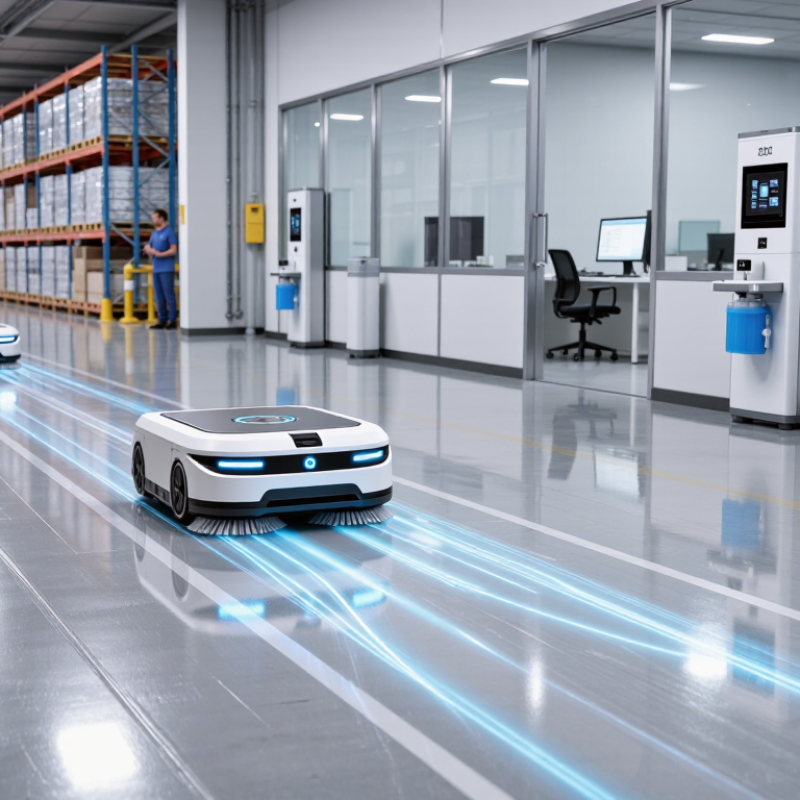
What Are 7 Benefits of Automated Cleaning Systems?

Labor Efficiency: 2.4M U.S. Cleaning Jobs Signal Automation Potential (BLS)

Automated cleaning systems can turn routine labor into measurable operating capacity.

U.S. Bureau of Labor Statistics data points to roughly 2.4 million cleaning jobs, showing how much work remains labor-intensive. Automation does not simply remove tasks. It helps employees spend more time on inspections, sanitation details, and difficult areas. That shift can improve labor efficiency without treating workers as interchangeable parts.

The first benefits are faster coverage, steadier scheduling, and more consistent results.

A machine can clean a large corridor overnight while staff handle restrooms, corners, and high-touch surfaces. It also reduces repetitive walking, pushing, and bending. Fewer physical demands may support safer, longer working shifts.

Better data is another benefit. Systems can record cleaning routes, operating time, and missed zones. Managers gain evidence instead of relying only on visual checks.

There are limits. Automation needs setup, maintenance, and trained oversight. A blocked path can stop a machine quickly. Small rooms and crowded spaces may still require manual work.

I have found that performance depends heavily on floor conditions, traffic patterns, and realistic scheduling. Cheap automation can become expensive when nobody reviews its output.

Seven practical benefits emerge: labor efficiency, consistent coverage, reduced strain, better documentation, predictable scheduling, scalable operations, and improved quality control. The strongest results come from combining machine work with experienced human judgment.

Workplace Safety: Slips and Falls Cause 15% of Accidental Deaths (OSHA)

Automated cleaning systems can make workplace safety more consistent. OSHA cites slips and falls as causing 15% of accidental deaths, making floor care a serious operational concern. A wet entrance, loose debris, or a thin oil film can create danger within seconds. Automated scrubbers and vacuums remove these hazards on scheduled routes, including areas that staff may overlook during busy shifts. Drier floors can mean fewer falls, injuries, and disruption.

The benefits extend beyond safety. These systems improve cleaning consistency, reduce manual labor, control dust, use water more efficiently, and provide measurable task records. They can also reach large spaces without sending employees repeatedly through vehicle lanes or production areas. That reduces exposure to traffic, chemicals, noise, and awkward lifting. A machine following a programmed path may deliver steadier results than rushed cleaning at the end of a shift. Small details matter.

Still, automation is not a magic shield. Sensors can miss dark spills, cables, or crowded corners. Employees need training, inspection routines, and clear barriers around wet areas. In my experience, the best results come from combining machine cleaning with human judgment. A worker should check edges, drains, and unexpected hazards before reopening a floor. Some facilities may also discover higher maintenance costs than expected. That is worth examining honestly, especially when equipment sits unused. Safety improves when automation supports a disciplined process, rather than replacing responsibility.

Cleaning Consistency: ISO 9001 Standardization Makes Results Measurable

Automated cleaning systems offer seven practical benefits: repeatable cycles, measurable quality, traceable records, lower variation, safer work, controlled chemical use, and faster corrective action. Their strongest value appears when procedures follow ISO 9001 principles. Documented settings can define pressure, temperature, contact time, route, and inspection points. Each cycle then creates evidence, not just an operator’s impression. The 2023 ISO Survey recorded 1,265,216 ISO 9001 certificates across 189 countries and economies. This widespread adoption shows the value of controlled, auditable processes.

In practice, a supervisor can compare yesterday’s rinse time with today’s result. A dashboard may reveal missed zones, rising detergent use, or repeated sensor alarms. These details support root-cause analysis and more consistent corrective actions. Automated records also help teams identify training gaps. Yet automation is not magic. Sensors drift, nozzles clog, and poorly written programs repeat poor cleaning. ISO 9001 supports measurement, but it does not guarantee hygienic results. Validation still requires inspections, sampling, and qualified judgment.

Tips: Map each cleaning step before automation. Set measurable limits for time, temperature, pressure, and chemical concentration. Review failed cycles weekly. Keep one manual inspection in the process; it can expose weaknesses that software misses. Involve operators when updating procedures, because real floors rarely match ideal diagrams.

Health Protection: CDC Reports 1 in 31 U.S. Hospital Patients Has an HAI

What Are 7 Benefits of Automated Cleaning Systems?

Health protection is one of the strongest reasons to consider automated cleaning systems. The CDC reports that about 1 in 31 U.S. hospital patients has at least one healthcare-associated infection (HAI) on any given day. This statistic makes every cleaned surface important, especially bed rails, door handles, call buttons, and bathroom fixtures. Automated systems can support seven practical benefits: more consistent coverage, fewer missed areas, reduced staff exposure to contaminants, timed cleaning cycles, measurable performance records, better use of labor, and faster responses after contamination events. They can also help standardize procedures across rooms and shifts. However, automation is not a magic solution. Human inspection still matters.

Tips: Map high-touch surfaces before installation. Set cleaning cycles around patient movement and room use. Review digital records regularly, and verify results with visual checks or approved testing methods. Train staff to recognize blocked sensors, incomplete cycles, and unusual residue. A machine may finish its program while a corner remains dirty.

Experience in healthcare environments shows that workflow design matters as much as equipment. A system placed poorly can slow room turnover or create false confidence. Infection prevention teams should assess ventilation, surface compatibility, maintenance needs, and staff feedback. Small details matter. Cleaning schedules should be updated when patient volume changes. Data can guide improvements, but it cannot replace judgment, accountability, or careful follow-up.

What Are 7 Benefits of Automated Cleaning Systems? - Health Protection: CDC Reports 1 in 31 U.S. Hospital Patients Has an HAI

No. Benefit of Automated Cleaning Systems Relevant Real-World Data Operational Value Recommended KPI
1 Improved health protection The CDC reports that approximately 1 in 31 U.S. hospital patients has at least one healthcare-associated infection (HAI) on any given day. Consistent environmental cleaning can support infection-prevention programs by reducing contamination on frequently touched surfaces. HAIs per 10,000 patient-days; environmental cleaning compliance rate.
2 More consistent cleaning coverage CDC environmental infection-control guidance recommends cleaning and disinfecting high-touch surfaces more frequently than areas with minimal hand contact. Programmable routes, repeatable cycles, and documented coverage can reduce variation between rooms, shifts, and operators. Percentage of assigned surfaces cleaned and verified per cycle.
3 Reduced cross-contamination risk The CDC identifies contaminated environmental surfaces as a potential source of pathogen transmission and recommends appropriate cleaning, disinfection, and equipment reprocessing. Dedicated equipment, controlled workflows, and automated disinfection steps can help separate clean and dirty processes. Cleaning-process deviations; room-to-room equipment transfer incidents.
4 Better auditability and accountability CDC guidance recommends monitoring adherence to cleaning and disinfection procedures as part of an environmental infection-control program. Automated systems can record cycle duration, location, operator access, completion status, and exception events for quality reviews. Completed cycles with electronic records; exception rate; verification pass rate.
5 Lower chemical-exposure risk The U.S. Occupational Safety and Health Administration requires employers to provide hazard communication information, including labels, safety data sheets, and worker training for hazardous chemicals. Closed dosing, automated dilution, and reduced manual handling may help limit unnecessary exposure when properly designed and maintained. Chemical splash or exposure incidents; manual chemical-handling steps per cleaning cycle.
6 More efficient use of staff time The CDC recommends written cleaning procedures, defined responsibilities, and adequate staffing and resources for environmental services programs. Automation can handle repeatable tasks while trained personnel focus on high-risk areas, inspection, restocking, and complex cleaning. Minutes per terminal-cleaning cycle; rooms completed per labor hour; staff overtime hours.
7 Stronger quality improvement and compliance CDC recommends using monitoring results to provide feedback and improve environmental cleaning practices over time. Centralized data can reveal missed areas, recurring failures, equipment downtime, and differences among departments. Monthly compliance trend; corrective actions closed on time; equipment uptime.
Sources: U.S. Centers for Disease Control and Prevention (CDC), “About HAIs” and “Environmental Infection Control Guidelines”; CDC National and State Healthcare-Associated Infections Progress Report; U.S. Occupational Safety and Health Administration (OSHA), Hazard Communication Standard. Automated systems should supplement, not replace, trained personnel, approved disinfectants, manufacturer instructions, and facility infection-prevention protocols.

Sustainable Operations: EPA Green-Cleaning Metrics Reduce Chemical Exposure

What Are 7 Benefits of Automated Cleaning Systems?

Sustainable operations begin with measurable cleaning practices. Automated cleaning systems can reduce chemical exposure by controlling dilution, spray volume, and application time. EPA green-cleaning metrics help teams track these changes with practical data. Useful measures include chemical use per square meter, worker contact incidents, water consumption, and wastewater volume.

The benefits extend beyond safer handling. Consistent dosing reduces product waste and prevents over-cleaning. Controlled water flow can lower utility demand. Automated schedules support reliable sanitation during busy shifts. Digital logs improve training, audits, and maintenance planning. Workers may also spend less time in wet areas or near concentrated solutions. Finally, stable processes can reduce rework, equipment damage, and operating costs.

Automation is not magic. A blocked nozzle can increase chemical use before anyone notices. Poorly calibrated sensors may create false confidence. Teams should inspect equipment, compare monthly data, and question unusual results. EPA metrics can guide this review, but they do not replace site-specific risk assessments or applicable safety requirements.

Small details matter. A mop closet with poor ventilation, missing gloves, or unclear labels can weaken an otherwise efficient system. Supervisors should document corrections and involve cleaning staff in the review. Their daily experience often reveals problems that dashboards miss.

FAQS

Why are automated cleaning systems gaining attention in large facilities?

The United States has roughly 2.4 million cleaning jobs. Automation can convert repetitive work into measurable operating capacity. Workers can focus on inspections, corners, and difficult surfaces.

How can automation improve labor efficiency?

Machines can clean long corridors overnight while employees handle restrooms and high-touch areas. They reduce repeated walking, pushing, and bending. The improvement is real, but not automatic.

Can automated systems improve workplace safety?

They can remove debris, dust, and moisture along scheduled routes. Drier floors may reduce slips, falls, and work interruptions. A wet entrance still needs immediate human attention.

What safety hazards may automated machines miss?

Sensors may overlook dark spills, loose cables, drains, or crowded corners. Employees should inspect edges before reopening floors. Machines are helpful, not infallible.

How can automated cleaning support health protection?

Consistent cleaning can target bed rails, door handles, call buttons, and bathroom fixtures. Timed cycles may reduce missed areas and staff exposure. One dirty corner can still matter.

Can automated cleaning reduce healthcare-associated infection risks?

It may support more reliable surface coverage and faster responses after contamination events. However, equipment cannot replace infection-control procedures or human verification. Data helps. Judgment remains essential.

What information can automated cleaning systems record?

Systems may record routes, operating time, completed zones, and missed areas. Managers gain evidence beyond visual checks. Records can also expose weak scheduling.

What limits should facilities consider before installing automation?

Machines require setup, maintenance, training, and clear operating routes. Small rooms and crowded spaces often need manual cleaning. Unused equipment becomes an expensive reminder.

How should organizations combine machines with human workers?

Machines can cover open floors and routine routes. Experienced workers should inspect corners, drains, high-touch points, and unusual residue. The best process is shared responsibility.

Conclusion

When asking, “what are the benefits of automated cleaning systems,” the answer extends far beyond simple time savings. These systems can improve labor efficiency by handling repetitive tasks and allowing cleaning staff to focus on detailed or higher-value work. They can also support workplace safety by reducing the need for manual activity in areas where slips, falls, or exposure to hazards may occur. Automated processes promote greater consistency, helping organizations standardize cleaning outcomes and make performance easier to measure.

Additional benefits include stronger health protection through more reliable cleaning routines, which can help reduce the risk of contamination in sensitive environments. Automated systems may also support sustainable operations by controlling water and chemical use, reducing unnecessary exposure, and limiting waste. Finally, scheduled functions and performance data can improve accountability, simplify planning, and help organizations maintain cleaner, safer, and more efficient facilities over time.

Liam

Liam

Liam is a dedicated marketing professional with a profound expertise in the industry, where he excels at highlighting the unique advantages of our core products. With a keen understanding of market trends and consumer needs, Liam frequently updates our company’s professional blog, providing......