2026 Top Ways to Clean Industrial Surfaces

Time:2026-09-20 Author:Liam
0%

Industrial surfaces face more than visible dirt. They collect oil films, metal dust, chemical residues, carbon deposits, and microscopic contamination. Each layer can affect product quality, equipment life, worker safety, and maintenance costs. This is why the question “what is the best way to clean industrial surfaces” requires more than choosing a powerful detergent.

Cleaning-science expert Michael Berry, Ph.D., described cleaning simply: “Cleaning is the removal of unwanted matter from a surface.” His statement remains useful because it focuses attention on the contaminant, the surface material, and the required result. Stainless steel, painted machinery, rubber seals, concrete floors, and delicate production components cannot receive the same treatment. The wrong chemical may stain metal. Excessive pressure may damage coatings. Poorly controlled water may spread contamination instead of removing it.

This 2026 guide examines practical methods, including aqueous cleaning, vapor degreasing, dry ice blasting, laser cleaning, abrasive blasting, and steam treatment. It considers soil type, surface sensitivity, production downtime, waste handling, and verification methods. Clean does not always mean visibly bright. Sometimes, a surface looks perfect but still fails a residue test. That assumption deserves scrutiny.

The best process is usually the safest effective process, not the most aggressive one. Real facilities must test small areas, document results, and adjust their methods. Conditions change. Operators make mistakes. Equipment ages. A reliable cleaning strategy recognizes these imperfections and builds inspection into every stage.
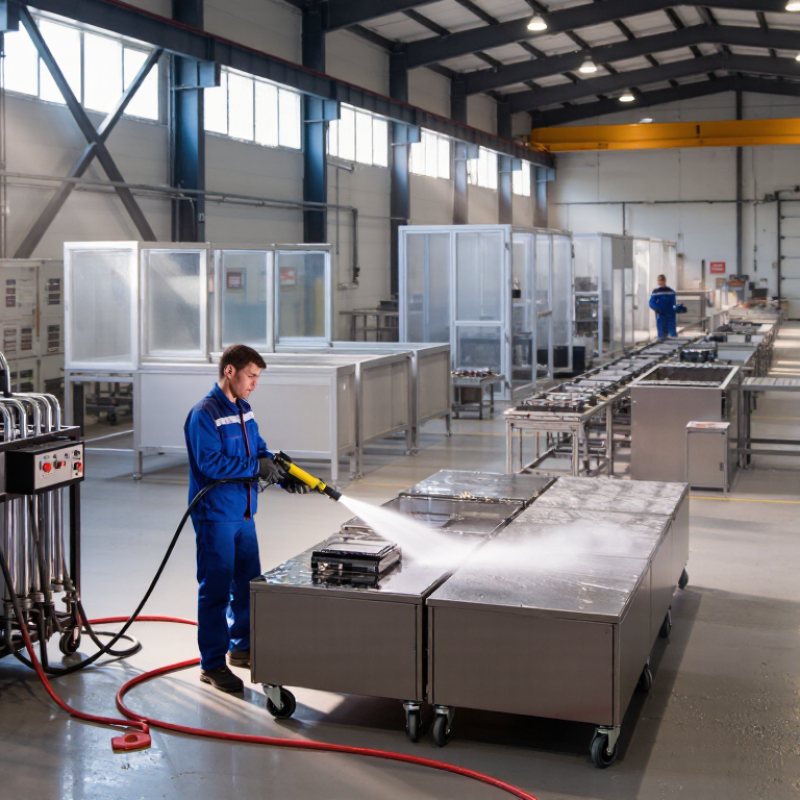
2026 Top Ways to Clean Industrial Surfaces

Understanding Industrial Surface Types and Contamination Levels

Understanding the surface is the real starting point for industrial cleaning. Stainless steel usually tolerates alkaline detergents, while painted steel may lose its finish. Concrete is porous and can hold oil below the visible layer. Polymer surfaces may soften under strong solvents. Surface condition matters too. Scratches, welds, and seams often shelter residue. I have found that a clean-looking panel can still fail a swab test. Appearance alone is unreliable.

Contamination levels should guide the cleaning method. Light dust may need controlled vacuuming and a dry wipe. Moderate grease often requires a compatible detergent, measured dilution, and gentle agitation. Heavy buildup may need staged cleaning, but excessive pressure can spread contamination or damage coatings. Test a small hidden area first. Record the surface type, soil, product concentration, contact time, and final inspection result. These details support repeatable work and help identify mistakes. A simple visual check is helpful, not enough.

Tips: Separate loose particles before using liquid cleaners. Use clean, labeled tools for different contamination zones. Check pH compatibility and ventilation requirements. For porous concrete, allow enough dwell time without letting the cleaner dry. Recheck seams and lower edges. If results vary, question the process rather than adding stronger chemicals. Cleaning is not always improved by force.

Selecting the Right Cleaning Method for Each Surface

2026 Top Ways to Clean Industrial Surfaces

Selecting the Right Cleaning Method for Each Surface

Industrial cleaning starts with identifying the surface, soil, and operating risk. Painted steel usually needs a mild alkaline solution, soft brushes, and controlled rinsing. Concrete may tolerate stronger agitation, but standing water can carry contaminants into cracks. Stainless steel requires non-abrasive tools to prevent scratches and embedded particles.

Test a hidden area.

For oil film, I prefer a measured degreaser, warm water, and low-pressure spraying. High pressure can force dirt beneath seals or damage coatings. Dusty electrical enclosures need dry vacuuming and lint-free wiping, never uncontrolled liquid. On food-contact equipment, follow the site procedure, chemical label, and required rinse verification. Keep records of concentration, temperature, contact time, and inspection results.

Small details matter. A surface can look clean while retaining a slippery residue. I have seen operators repeat the same method because it worked last month. That assumption is risky. Soil changes with heat, production materials, and equipment age. Begin with the least aggressive effective method, then increase action carefully. Check corners, welds, drains, and underside edges with adequate lighting. If the result is uncertain, pause and reassess the material compatibility instead of adding stronger chemicals. Cleaning is practical work, but it still demands evidence, training, and honest review.

Preparing Equipment, Workers, and the Cleaning Area

2026 Top Ways to Clean Industrial Surfaces

Preparing equipment, workers, and the cleaning area often determines the final result. Before cleaning, isolate machinery according to site procedures and remove loose parts, tools, and packaging. Check labels, surface materials, and contamination types. A metal panel, rubber seal, and painted frame may need different methods. Do not assume one cleaner suits every surface.

Workers need task-specific training, suitable gloves, eye protection, and protective clothing. Ventilation matters, especially in enclosed areas. Keep emergency rinsing equipment accessible and mark wet floors clearly. Cleaning teams I have observed work more safely when they inspect hoses, electrical connections, and spray pressure before starting. Small failures can become expensive quickly. It is easy to overlook corners.

Tips: Test the method on a hidden area. Use clean water for rinsing. Replace damaged tools. Keep waste containers closed. Record unusual stains or surface damage before cleaning.

The cleaning area should separate clean equipment from dirty materials. Cover sensitive controls and seal openings where moisture could enter. Use barriers to control overspray and prevent nearby workers from walking through the work zone. A simple checklist can help, although it should not replace judgment. Conditions change during a shift. If residue remains after one pass, increasing pressure may not be the answer; the cleaner, temperature, contact time, or surface condition may need review. Photographs and inspection notes also support consistent quality and safer future work.

Applying Step-by-Step Industrial Surface Cleaning Procedures

2026 Top Ways to Clean Industrial Surfaces

Applying Step-by-Step Industrial Surface Cleaning Procedures

Industrial surface cleaning is not just about removing visible dirt. It protects equipment performance, worker safety, and coating life. Begin by identifying the surface, soil type, temperature, and drainage conditions. Record these details before touching the area. That small step prevents guesswork. Experienced technicians inspect for oil films, metal dust, scale, and damaged coatings. Some stains look harmless. Often, they are not. Use site procedures, safety data, and suitable PPE before selecting a cleaner.

Clear loose debris with a vacuum or soft brush, then isolate nearby electrical components. Test the cleaning method on a hidden patch. Apply the solution from the least aggressive option upward, following the required dilution and contact time. Do not let the surface dry during treatment. Agitate with a non-damaging pad, working in manageable sections. Rinse with controlled pressure, directing wastewater into an approved collection system. Pressure alone can spread contamination. That mistake is easy to make.

Inspect under strong, angled light. Check corners, welds, joints, and rough textures where residue remains. Repeat only where evidence supports it; excessive scrubbing can remove protective finishes. Dry the surface using clean air or lint-free materials, then document the result with photographs and readings when required. An honest inspection may reveal an incomplete job. Correct it before returning equipment to service. Cleaning plans should be reviewed after each project, because the perfect procedure rarely exists on the first attempt.

Inspecting Results and Maintaining Clean Surface Standards

2026 Top Ways to Clean Industrial Surfaces

Inspecting a surface after cleaning is as important as removing the contamination. A bright finish does not always mean a safe finish. Inspectors should use strong, angled lighting to reveal film, streaks, and trapped particles. Visual checks should follow the site’s written acceptance criteria, not personal judgment.

I once approved a polished panel too quickly and later found residue around a fastener. That mistake changed my inspection routine.

Tips: Check edges, welds, joints, and undersides. Use a clean, lint-free wipe on selected areas. Compare the wipe with an unused one. Record the inspection time, method, and result. Photos can support records, but they cannot replace physical checks. For sensitive processes, surface testing may confirm cleanliness more reliably than appearance alone.

Clean surface standards also require maintenance after approval. Dust, moisture, handling, and nearby production can reduce cleanliness within hours. Set inspection intervals according to exposure and process risk. Recheck surfaces after repairs, shutdowns, or equipment movement. Keep tools clean, and prevent gloves from transferring oil back onto finished areas. Standards should be reviewed when recurring failures appear. A requirement may be unclear, or the cleaning method may be unsuitable. Do not hide those gaps. Investigate them, document the evidence, and adjust the procedure carefully.

FAQS

Why should machinery be isolated before industrial surface cleaning?

Isolation prevents unexpected movement, electrical contact, and damage from moisture. Remove loose tools, packaging, and detachable parts. Small failures matter. Inspect connections and hoses before starting.

How should workers prepare for industrial cleaning tasks?

Workers need task-specific training, suitable gloves, eye protection, and protective clothing. Check ventilation, especially inside enclosed areas. Keep emergency rinsing equipment accessible. Mark wet floors clearly.

How can teams choose a suitable cleaning method?

Identify the surface material, contamination type, temperature, and drainage conditions. Metal, rubber, and painted surfaces may require different methods. Test the method on a hidden area. Do not guess.

What steps should workers follow before applying a cleaner?

Remove loose debris with a vacuum or soft brush. Protect electrical components and seal openings where moisture could enter. Follow required dilution and contact time. Keep the surface wet during treatment.

How can workers avoid damaging industrial surfaces?

Begin with the least aggressive suitable method. Use a non-damaging pad and work in manageable sections. Excessive pressure or scrubbing can remove protective finishes. More force is not always better.

How should wastewater and overspray be controlled?

Direct wastewater into an approved collection system. Use barriers to protect nearby workers and equipment. Pressure can spread contamination across clean areas. That mistake is easy to make.

How can inspectors confirm that a surface is truly clean?

Use strong, angled lighting to reveal films, streaks, and trapped particles. Check edges, welds, joints, undersides, and rough textures. A bright finish may still contain residue. Use a clean, lint-free wipe when required.

What should teams do when inspection reveals incomplete cleaning?

Record the location, method, photographs, and inspection result. Repeat cleaning only where evidence supports it. Review the cleaner, temperature, contact time, and surface condition. I once accepted a polished panel too quickly. That was my mistake.

How can clean surface standards remain effective after approval?

Set inspection intervals according to exposure and process risk. Recheck surfaces after repairs, shutdowns, or equipment movement. Keep tools clean and prevent oily gloves from touching finished areas. Conditions change.

Why should cleaning procedures be reviewed after each project?

Recurring residue may indicate unclear requirements or an unsuitable method. Document the evidence and adjust the procedure carefully. A perfect procedure rarely exists initially. Honest review improves future results.

Conclusion

Industrial surface cleaning begins with understanding the material, equipment design, and level of contamination involved. Metal, concrete, plastic, painted surfaces, and coated components may each require different solutions to prevent damage while removing oil, dust, residue, or buildup. The question “what is the best way to clean industrial surfaces” should be answered by evaluating the surface condition, selecting a suitable method, and balancing cleaning power with worker safety and environmental responsibility.

Before work begins, prepare the area, inspect equipment, provide appropriate protective gear, and ensure workers understand the procedure. A reliable process includes removing loose debris, applying the chosen cleaning method in an organized sequence, controlling moisture and waste, and allowing surfaces to dry properly. After cleaning, inspect results under suitable lighting, confirm that residues and contamination are removed, document findings, and establish a maintenance schedule. Consistent inspections and preventive cleaning help preserve surface quality, reduce operational risks, and maintain dependable industrial hygiene standards.

Liam

Liam

Liam is a dedicated marketing professional with a profound expertise in the industry, where he excels at highlighting the unique advantages of our core products. With a keen understanding of market trends and consumer needs, Liam frequently updates our company’s professional blog, providing......